Free vs. Paid AI Tools: When Is It Worth Upgrading?
Almost every AI tool worth using offers some kind of free tier, which raises a natural question: when does it actually make sense to pay? The honest answer is, it depends less on the tool and more on how you're using it. Here's a practical way to think it through.
Why free tiers exist in the first place
Free tiers aren't just marketing — they're genuinely usable for a lot of people. Companies offer them because casual or occasional users don't need the full power of the tool, and letting people try it builds trust before asking for money. This means free tiers are often more generous than people expect, especially for light, occasional use.
The honest signs it's time to upgrade
You're hitting usage limits regularly. Most free plans cap how much you can use a tool — a certain number of messages per day, a limited number of image generations per month, a cap on transcription minutes. If you're consistently running into that ceiling and it's disrupting your workflow, that's the clearest, most practical sign it's time to pay.
The free version is noticeably slower or lower quality. Some tools throttle response speed or give you an older, less capable model on the free tier. If the quality gap is actually affecting your output — not just a minor inconvenience — upgrading often pays for itself quickly.
You're using it for something that generates income. If a tool is helping you with client work, content that earns revenue, or any part of an actual income stream, the calculation changes. A $20/month subscription is easy to justify if it's saving you hours on something you're being paid for.
You keep working around its limitations. If you find yourself doing extra manual work specifically because you're avoiding a paywall — copy-pasting between multiple free tools, manually formatting what the paid version would do automatically — the time you're spending working around the limit often costs more than the subscription would.
When it's genuinely fine to stay free
If you use a tool occasionally — a few times a week, for low-stakes tasks — many free tiers are more than enough. There's no real benefit to paying for capacity you're not going to use. Similarly, if you're still in the "trying it out" phase and haven't decided if a tool fits your workflow long-term, it's reasonable to stay on the free plan until you're confident it's worth committing to.
A simple way to decide
Track your actual usage for a week or two. If you're hitting limits, feeling slowed down, or working around restrictions regularly, that's real data — not a guess — and it makes the upgrade decision straightforward. If you're nowhere near the free tier's limits, there's no rush to pay for more than you need.
The goal isn't to default to either free or paid — it's to match what you're paying for to what you're actually using. A tool you use daily for income-generating work deserves a paid plan. A tool you open once a month doesn't.
More Articles
View all
The Best Free AI Tools You're Probably Not Using Yet
Beyond the obvious ChatGPT and Canva, there are some genuinely useful free AI tools that fly under the radar. Here are a few worth trying.
AI Writing Tools: ChatGPT vs. Claude vs. Gemini (Quick Comparison)
ChatGPT, Claude, and Gemini are the three most talked-about AI writing assistants. Here's a quick, practical comparison to help you pick one.
The Beginner's Guide to AI Writing Assistants
AI writing assistants can help with everything from emails to essays. Here's a simple guide to what they actually do and how to start using one well.
5 Signs You're Overpaying for AI Tools You Don't Need
AI tool subscriptions add up fast. Here are 5 signs it's time to audit your stack and cut what you're not actually using.
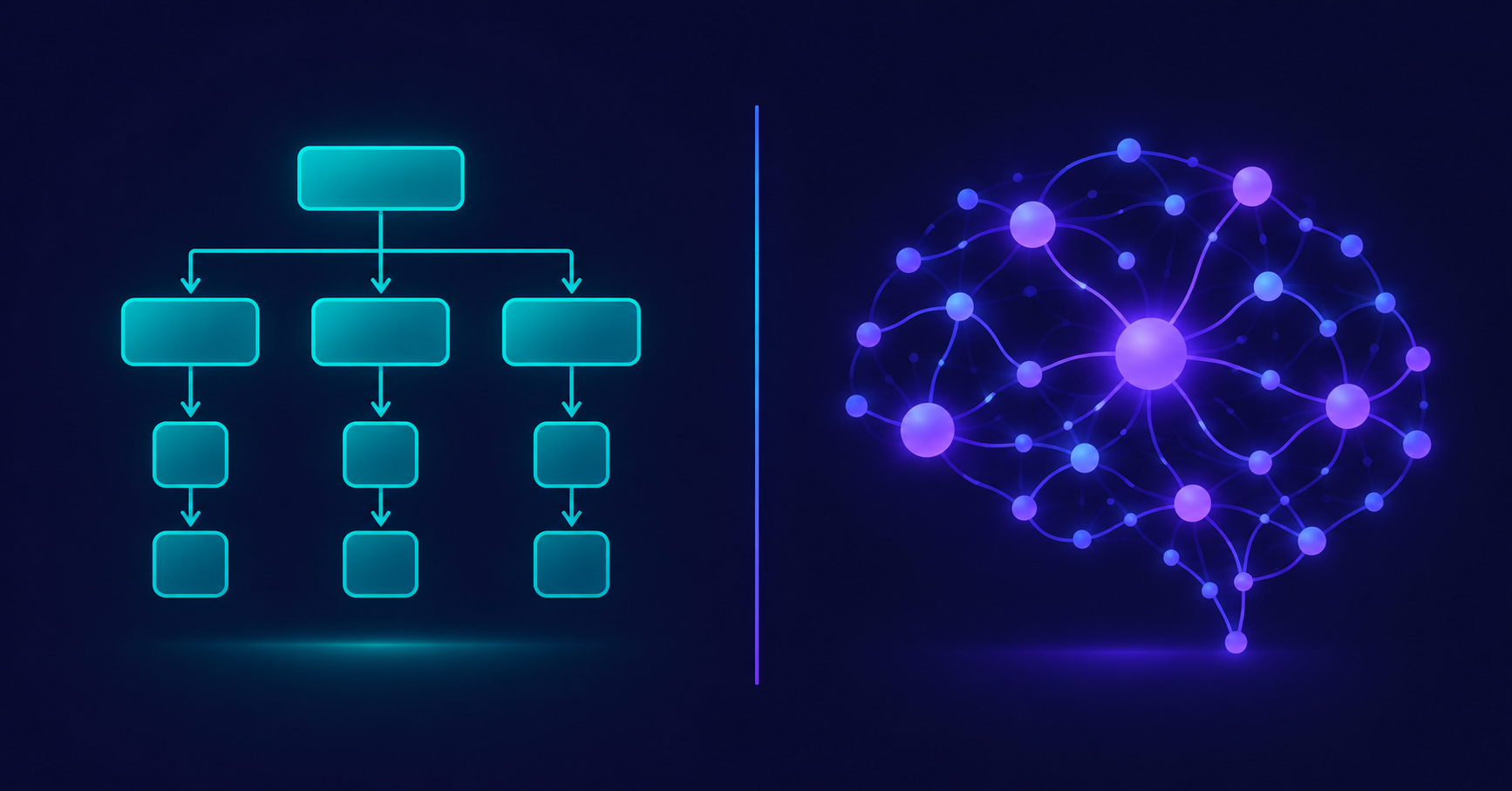
AI Tools vs. Traditional Software: What's Actually Different?
AI tools and traditional software both run on your screen, but they work in fundamentally different ways. Here's a clear comparison to help it finally click.

What Does "AI Tool" Actually Mean? A Simple Breakdown
"AI tool" gets thrown around a lot, but what does it actually mean? Here's a simple, no-jargon explanation of what makes a tool "AI," how it's different from regular software, and what that difference actually means for you.