What Does "AI Tool" Actually Mean? A Simple Breakdown
If you've been hearing "AI tool" everywhere lately — in ads, on social media, in conversations with coworkers — but aren't totally sure what separates it from regular software, you're not alone. The term gets used so loosely now that it's easy to lose track of what it actually means. So let's slow down and break it down properly, no technical jargon.
It learns from patterns, not just rules
Traditional software follows fixed instructions. A developer writes code that says, essentially, "if this happens, do that" — and the software does exactly that, every single time, with no deviation. A calculator app doesn't "decide" how to add two numbers; it follows a rule that was written once and never changes.
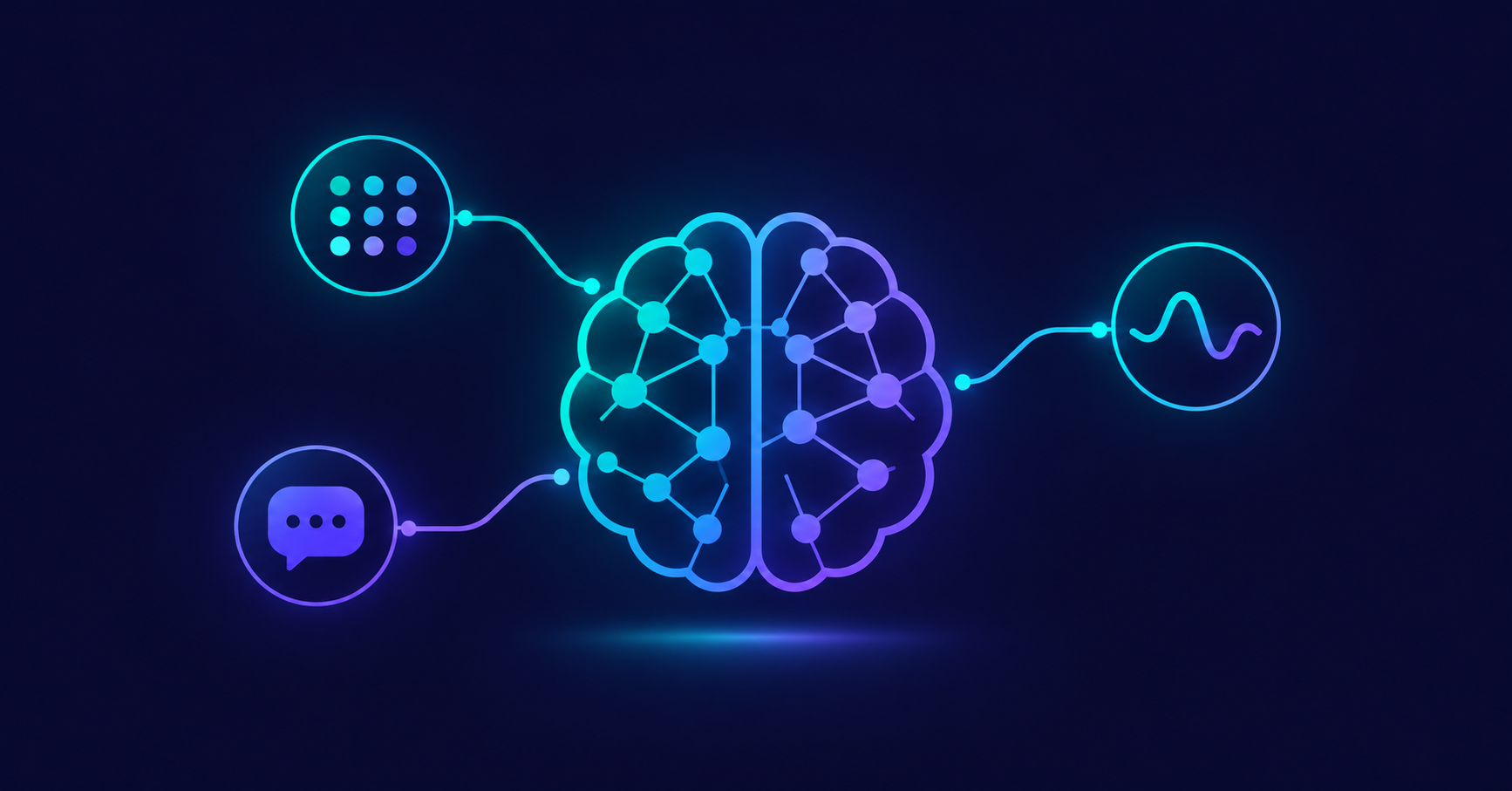
AI tools work differently. Instead of following a list of hand-written rules for every possible situation, they're trained on huge amounts of existing data — text, images, code, conversations, and more. During that training process, the system learns patterns: how sentences are usually structured, what a cat generally looks like in a photo, how code is typically written to solve a certain problem. Once trained, the AI tool can apply those learned patterns to brand new situations it has never technically "seen" before.
This is why ChatGPT can answer a question that's never been asked in exactly that way before, or why Midjourney can generate an image from a text description nobody has ever typed. Nobody manually programmed a response for your specific question — the tool recognized patterns from its training and generated something new based on them.
It understands context, not just commands
Regular software usually needs very exact, structured input to work correctly. Type a formula wrong in Excel, and it throws an error instead of guessing what you meant. Click the wrong button in an app, and it does the wrong thing — because it's just following the instruction it was given, literally.
AI tools, especially the ones built around language (like ChatGPT or Claude), can understand natural language — meaning you can type something messy, incomplete, or conversational, and the tool still figures out what you're actually asking for. You don't need to phrase your request in a specific technical format. You could type "make this sound more professional" without specifying exactly what "professional" means in this context, and the AI will interpret that based on everything it's learned about tone, formality, and writing style — then apply it sensibly to your text.
This ability to understand context is a big part of why AI tools feel less like using software and more like having a conversation with something that "gets" what you mean, even when you don't spell out every detail.
It gets better with more data, not just manual updates
With traditional software, improvement happens only when a developer sits down, writes new code, and manually ships an update. The software itself doesn't change on its own — every new feature or fix is the result of direct human effort, line by line.
AI tools improve differently. The companies behind them continuously train their underlying models on more and newer data, which can make the tool noticeably smarter, more accurate, or more capable over time — sometimes without you changing anything on your end at all. This is part of why a tool like ChatGPT can feel meaningfully different (often better) than it did a year ago, even if the way you interact with it hasn't changed.
That said, this also means AI tools can behave inconsistently across versions. A tool that struggled with a certain type of request last year might handle it easily now — or a tool might change its tone or style slightly after an update, which can be confusing if you were used to how it used to respond.
It's not perfect — and that's expected, not a flaw
Here's something worth understanding clearly: AI tools are not always right, and this isn't a temporary bug waiting to be fixed. It's a fundamental characteristic of how these systems work.
Because AI tools generate responses based on learned patterns rather than guaranteed facts, they can occasionally produce something that sounds confident but is actually incorrect — a made-up statistic, a wrong date, a feature that doesn't actually exist. This is sometimes called a "hallucination" in AI terminology, and it happens because the tool is predicting what a reasonable answer should look like, not pulling from a verified database of facts every single time.
This doesn't mean AI tools are unreliable or not worth using. It means they should be treated the way you'd treat a knowledgeable but occasionally wrong colleague — genuinely useful, often accurate, but still worth double-checking before you rely on something important, like a statistic you're about to publish or a legal/medical detail.
Why this distinction actually matters for you
Understanding this difference isn't just a technical curiosity — it changes how you should actually use these tools day to day.
Because AI tools work from patterns and context rather than fixed rules, you get the best results when you give them clear context, not rigid commands. Instead of typing a vague one-word request, explain what you're trying to achieve and why — the tool will generally respond better when it understands your actual goal.
Because they can occasionally be wrong, it's worth treating their output as a strong first draft rather than a final answer, especially for anything factual, numerical, or high-stakes. A great way to use AI tools is to let them do the heavy lifting of a first pass, then review and verify before you finalize anything important.
And because they improve over time without you doing anything, it's worth revisiting tools you tried once and dismissed. A tool that felt clunky or limited a year ago might genuinely be a different experience today.
Putting it all together
So, in short: an AI tool is software that learns patterns from large amounts of data, understands natural language and context rather than requiring rigid commands, and improves over time as it's retrained — instead of just following fixed, pre-written rules written once by a developer.
That's the core difference. Once this clicks, a lot of the confusion around "is this actually AI or just marketing" starts to clear up — and you'll have a much easier time figuring out which AI tools are genuinely useful for what you're trying to do, versus which ones are just riding the hype.
More Articles
View all
The Best Free AI Tools You're Probably Not Using Yet
Beyond the obvious ChatGPT and Canva, there are some genuinely useful free AI tools that fly under the radar. Here are a few worth trying.
Free vs. Paid AI Tools: When Is It Worth Upgrading?
Free AI tools can take you far, but at some point upgrading starts to make sense. Here's how to know when that point actually is.
AI Writing Tools: ChatGPT vs. Claude vs. Gemini (Quick Comparison)
ChatGPT, Claude, and Gemini are the three most talked-about AI writing assistants. Here's a quick, practical comparison to help you pick one.
The Beginner's Guide to AI Writing Assistants
AI writing assistants can help with everything from emails to essays. Here's a simple guide to what they actually do and how to start using one well.
5 Signs You're Overpaying for AI Tools You Don't Need
AI tool subscriptions add up fast. Here are 5 signs it's time to audit your stack and cut what you're not actually using.
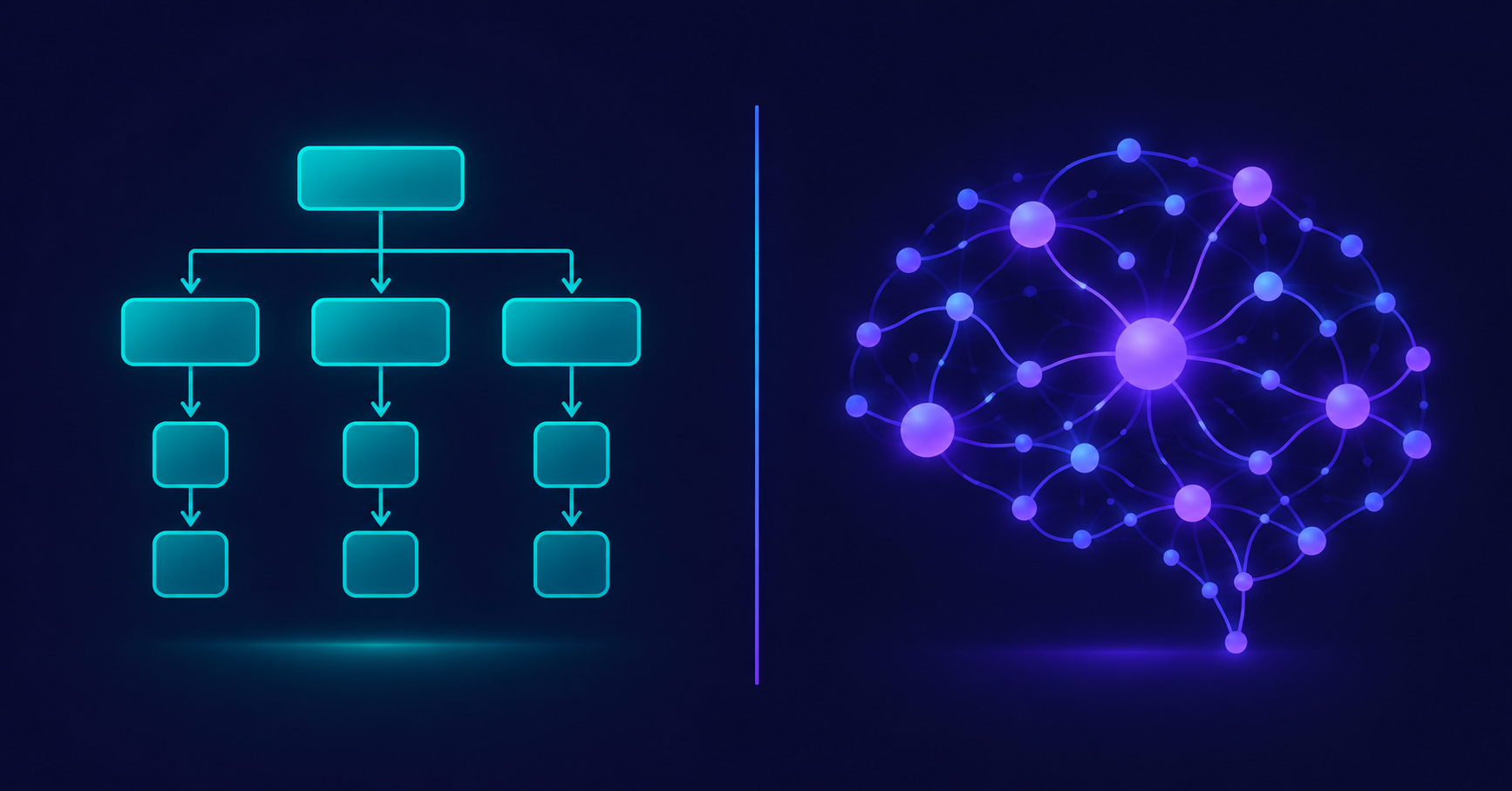
AI Tools vs. Traditional Software: What's Actually Different?
AI tools and traditional software both run on your screen, but they work in fundamentally different ways. Here's a clear comparison to help it finally click.